
Root Canal Treatment
If you’ve been experiencing tooth pain or sensitivity, you might be dealing with a serious dental issue that could require root canal treatment (RCT). At Vakratunda Dental Care in Ameenpur, Hyderabad, we specialize in providing painless, effective root canal treatment to save your natural teeth and restore your smile.
Under the expert guidance of Dr. Sai Krishna Gullapalli, our Chief Dental Surgeon, you can be assured of high-quality care in a comfortable and welcoming environment. If you're in need of tooth pain relief or have been advised to undergo a root canal, our team is here to help you through every step of the process.
What is Root Canal Treatment (RCT)?
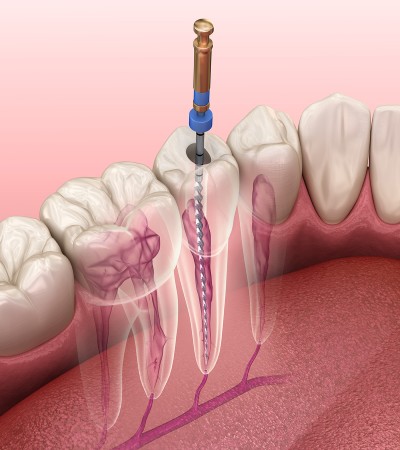
Root canal treatment, often referred to as endodontic treatment, is a procedure used to treat infection or damage within the pulp of a tooth. The pulp is the soft tissue inside the tooth, which contains blood vessels, nerves, and connective tissue. When this pulp becomes infected or inflamed due to deep decay, injury, or infection, a root canal procedure is necessary to remove the infected pulp, clean the tooth, and seal it to prevent further damage.
While many patients may fear the procedure, it is a highly effective way to save a natural tooth and restore normal function.
Signs You May Need a Root Canal
You may need a root canal if you experience any of the following signs:
- Severe Tooth Pain: Persistent or intense pain in or around the tooth, especially when chewing or applying pressure.
- Tooth Sensitivity: Sensitivity to hot or cold temperatures that lingers even after the source of the heat or cold has been removed.
- Swollen Gums: Swelling or tenderness around the affected tooth.
- Discoloration: A darkened tooth, which may indicate damage to the pulp.
- Frequent Abscesses: Recurrent pus-filled pimples on the gums near the tooth, which may signal an infection.
- Cracked or Chipped Tooth: A visible crack or chip in the tooth can expose the pulp, increasing the risk of infection.
If you notice any of these symptoms, it’s important to consult a dentist as soon as possible to prevent further damage and pain.
Causes of Tooth Infection
Tooth infections are often caused by bacteria that enter the tooth’s pulp, leading to inflammation and infection. Common causes of tooth infection include:
- Deep Cavities: Cavities that have progressed deep enough to reach the pulp of the tooth.
- Cracked or Chipped Teeth: Cracks or chips in the tooth can allow bacteria to enter the pulp.
- Trauma or Injury: A blow to the tooth can damage the pulp, leading to infection.
- Repeated Dental Procedures: Multiple fillings or dental work on the same tooth may increase the risk of pulp damage.
- Gum Disease: Advanced gum disease can also lead to infections that affect the tooth roots and pulp.
Ignoring a tooth infection can lead to severe pain and complications, including tooth loss, so it’s crucial to seek treatment as soon as possible.
Step-by-Step Root Canal Procedure
Here’s what you can expect during your root canal treatment at Vakratunda Dental Care:
Step 1: Consultation and Examination
Dr. Sai Krishna Gullapalli will begin by examining your tooth and taking X-rays to assess the extent of the infection. He will discuss the treatment plan with you, including whether a single sitting root canal or a multiple sitting RCT is best for your condition.
Step 2: Local Anesthesia
To ensure that you are comfortable throughout the procedure, local anesthesia will be administered to numb the area around the affected tooth. This ensures that you won’t feel any pain during the procedure.
Step 3: Pulp Removal
Once the area is numb, the dentist will create a small opening in the crown of the tooth to access the infected pulp. The pulp is carefully removed, and the inside of the tooth is cleaned and disinfected to remove bacteria and debris.
Step 4: Cleaning and Shaping
The root canals are cleaned and shaped using small instruments to prepare the tooth for filling.
Step 5: Filling the Canal
After the root canals are cleaned and shaped, they are filled with a biocompatible material called gutta-percha to seal the tooth and prevent future infections.
Step 6: Placement of Temporary or Permanent Filling
Once the canals are sealed, a temporary filling is placed to protect the tooth until the permanent restoration (such as a crown) can be placed.
Step 7: Restoration
In most cases, a dental crown is recommended to restore the function and appearance of the tooth. The crown is placed in the final visit to ensure the tooth is fully restored and protected.
Is Root Canal Painful? (Myth vs Fact)
One of the biggest misconceptions about root canal treatment is that it is painful. In reality, root canal treatment is no more painful than getting a filling. Thanks to modern techniques and anesthesia, most patients report little to no pain during the procedure.
Myth: Root canal treatment is very painful.
Fact: Root canal treatment is often the solution to tooth pain, and the procedure itself is relatively pain-free thanks to local anesthesia.
If you’re worried about pain, rest assured that our team at Vakratunda Dental Care will ensure your comfort throughout the entire process.
Benefits of Root Canal Treatment
Root canal treatment offers numerous benefits:
- Pain Relief: Root canal treatment can alleviate severe tooth pain caused by infection or inflammation.
- Tooth Preservation: It helps save your natural tooth and prevents the need for extraction.
- Improved Function: The treated tooth can function normally, allowing you to chew and speak comfortably.
- Cost-Effective: Root canal treatment is a more affordable alternative to tooth extraction and subsequent tooth replacement options.
- Prevents Further Infection: The procedure removes the infected tissue and seals the tooth to prevent bacteria from re-entering.
Root Canal vs Tooth Extraction
While tooth extraction is sometimes necessary, root canal treatment is often the preferred option. Here’s why:
- Preservation of Natural Tooth: A root canal saves your natural tooth, which is always better for long-term oral health than extraction.
- Functionality: After an extraction, you would need a replacement (like a dental implant or bridge) to restore function, which can be costly and require more procedures.
- Cost: Root canal treatment is usually less expensive than tooth extraction followed by a replacement option.
If you're facing the choice between a root canal and extraction, Dr. Sai Krishna Gullapalli will guide you through the best option based on your unique needs.
Single Sitting vs Multiple Sitting RCT
A root canal can often be completed in one sitting, but in some cases, multiple sittings may be required. Here’s the difference:
- Single Sitting RCT: This is ideal for patients with less complicated cases where the infection is localized, and the tooth can be treated in one visit.
- Multiple Sitting RCT: More complex cases or teeth with extensive infection may require more than one visit. The root canal is cleaned and medicated, and the tooth is temporarily sealed before the final filling and restoration.
Dr. Gullapalli will assess your case and recommend the best approach for you.
Why Choose Vakratunda Dental Care in Ameenpur?
At Vakratunda Dental Care, we pride ourselves on providing exceptional care with a focus on comfort and quality. Here’s why we’re trusted by patients in Ameenpur, Hyderabad:
- Expert Care: Led by Dr. Sai Krishna Gullapalli, our team has extensive experience in performing root canal treatments with a focus on patient comfort and long-term success.
- Painless Treatment: We use the latest techniques and technologies to ensure that your root canal is as pain-free as possible.
- State-of-the-Art Facilities: Our clinic is equipped with advanced dental equipment to ensure precise and effective treatment.
- Patient-Focused Approach: We take the time to explain the procedure, address your concerns, and ensure that you feel confident throughout the process.
Why Choose Dr. Sai Krishna Gullapalli?
Dr. Sai Krishna Gullapalli is a highly skilled and compassionate dentist with a BDS, FMC, and FCD. He has years of experience in performing root canal treatments and other endodontic procedures. Dr. Gullapalli is committed to providing the highest level of care and ensuring that each patient feels comfortable and well-cared-for.
Cost of Root Canal Treatment in Hyderabad
The cost of root canal treatment in Hyderabad typically ranges between ₹3,000 and ₹15,000, depending on the complexity of the case, the type of tooth, and the material used for the restoration. At Vakratunda Dental Care, we offer competitive pricing without compromising on quality. Dr. Sai Krishna Gullapalli will provide you with a detailed cost estimate after your consultation.
Aftercare & Recovery Tips
After your root canal treatment, follow these aftercare tips to ensure a smooth recovery:
- Avoid Hard Foods: Avoid chewing on the treated tooth until it has been fully restored with a crown.
- Pain Management: Mild pain or discomfort is normal after the procedure, and can be managed with over-the-counter pain relievers.
- Follow-Up Appointments: Schedule a follow-up appointment to check the condition of the tooth and ensure proper healing.
- Maintain Good Oral Hygiene: Brush and floss gently around the treated tooth to avoid infection.
Frequently Asked Questions
1. What is the cost of root canal treatment in Hyderabad?
The cost typically ranges from ₹3,000 to ₹15,000, depending on the complexity of the case.
2. Is root canal treatment painful?
No, root canal treatment is not painful. Local anesthesia ensures that the procedure is comfortable. After the treatment, you may experience some discomfort, but it’s manageable with over-the-counter pain relief.
3. How long does a root canal take?
The procedure usually takes 1 to 2 hours, but more complex cases may require multiple sittings.
4. How many sittings are required for RCT?
Most cases can be completed in one sitting, but some may require 2 to 3 sittings for more extensive infections.
5. Can I eat after a root canal?
You should avoid chewing on the treated tooth until it has been fully restored with a crown, especially if the tooth is temporarily filled.
6. Is a crown necessary after RCT?
Yes, a crown is usually placed after a root canal to protect and restore the function of the tooth.
7. How long does a root canal treated tooth last?
With proper care, a root canal treated tooth can last for 10 to 15 years or more.
Book Your Appointment Today!
Don’t let tooth pain or infection hold you back. If you need root canal treatment, Dr. Sai Krishna Gullapalli at Vakratunda Dental Care is here to help you. Book your consultation today and take the first step towards pain relief and a healthier smile.
Call us at 099636 68054.
For any dental concerns? Please call us at
+91 6281948372Newsletter
Subscribe our newslettet to get latest news and events